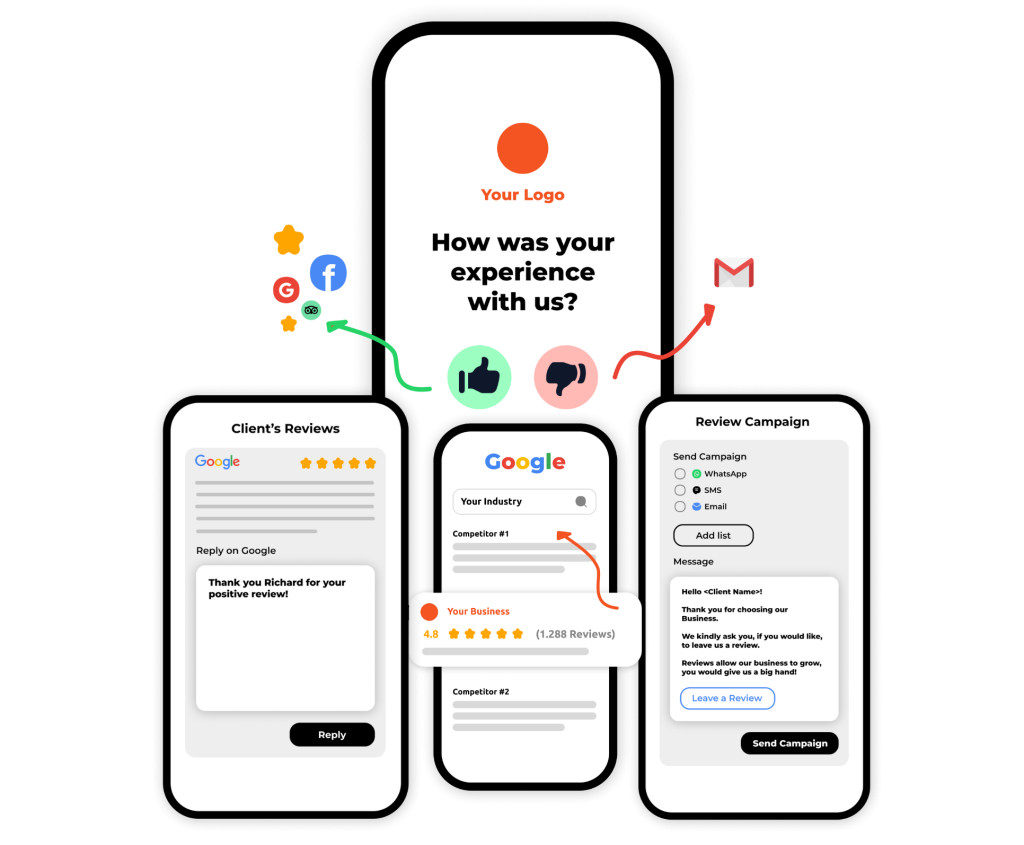
In today’s digital marketplace, online reviews and customer feedback have become critical for businesses looking to build trust and connect with consumers. Recent surveys show that over 90% of customers read reviews before making a purchase decision. This makes review generation software an essential tool for managing your online reputation and leveraging customer experiences.
This guide provides a comprehensive overview of the top review generation platforms in 2023 to help you choose the right solution. We will cover:
- Key capabilities of review generation tools
- Benefits for your business goals
- Factors to consider when selecting software
- In-depth reviews of the top 10 vendors
- Best practices for getting value from your platform
Whether you’re a small business owner, marketer, or enterprise organization, this guide will equip you to:
- Collect and analyze customer review data
- Optimize review collection workflows
- Showcase authentic positive reviews
- Manage your online reputation
- Use reviews for actionable business insights
Follow along as we break down the landscape of review management software and how to select the ideal platform tailored to your needs and budget. With the right review generation strategy, you can leverage customer experiences to drive growth, improve satisfaction, and stay competitive.
Overview of Review Generation Software

So your business is killing it, you’ve got happy customers walking through the door each day. But how do you get the word out and share those great experiences? Enter review generation software – your new BFF for showcasing online reviews and managing your reputation.
What is review generation software?
In a nutshell, it’s technology that helps you effortlessly:
- Collect customer feedback and reviews
- Publish authentic positive reviews
- Analyze review data for insights
- Respond to and manage reviews
The main goal is to help your business leverage online reviews as a marketing asset.
Here are some key features these platforms provide:
- Review collection tools to gather feedback across channels
- Sentiment analysis to monitor customer satisfaction
- Review analytics for data-driven insights
- Automated review responses to save time
Let’s quickly break down each one:
Review Collection
This allows you to easily:
- Get alerts when customers leave online reviews
- Send review invites via email, SMS, etc.
- Gather feedback from multiple sources
- Create customized review campaigns
Sentiment Analysis
Using AI, these tools automatically analyze the tone and emotions in customer reviews to identify:
- Positive, negative or neutral feedback
- Common topics and preferences
- Areas for improvement
Review Analytics
In-depth reporting provides insights into:
- Review volume and trends over time
- Your highest rated products or locations
- Demographic data like age, gender, location
- Impact on sales or website traffic
Automated Review Responses
Canned templates allow you to efficiently:
- Thank customers for positive feedback
- Address issues raised in negative reviews
- Answer common questions or concerns
Why should businesses use review generation software?
There are a few key reasons this technology is a must-have:
- Improves efficiency – Automates manual review collection and follow-ups
- Increases visibility – Showcases your brand experience to attract customers
- Manages reputation – Monitors all review sites from one dashboard
- Provides insights – Identifies areas for improvement using review analytics
- Boosts sales – Positive reviews build trust and credibility for consumers
For small businesses, this software levels the playing field so you can compete with bigger brands by showcasing your customer service. It’s affordable too – plans start around $30/month for robust review management capabilities.
No matter your goals – whether it’s improving customer satisfaction, entering new markets or keeping tabs on competitors – review generation software has you covered. Let’s look at some key factors to evaluate when choosing a platform.
Choosing the Right Review Generation Software

With so many options out there, how do you find the perfect platform for your business? Here are the key factors to evaluate:
Your Business Goals and Needs
First, think about what you want to achieve. Are you a retailer focused on showcasing product reviews? A local spa wanting to manage your online reputation? A franchise looking to monitor multiple locations?
Define your primary review generation goals so you can narrow down your options. Common business objectives include:
- Increasing website traffic and conversions
- Improving local search rankings
- Benchmarking competitor review performance
- Resolving customer service issues
- Entering new geographical markets
Once you know your goals, make a list of must-have features like social review integration, custom surveys, or multi-location support. This will help match needs to the right vendor capabilities.
Core Capabilities
All platforms should offer these core review management essentials:
- Review collection across multiple channels
- Automated review requests and reminders
- Sentiment analysis to analyze feedback
- Integration with major review sites like Google, Facebook, Yelp
- Customizable review workflows
- Reporting and review analytics
Consider which additional capabilities would provide the most value like real-time alerts, reputation coaching services, or the ability to showcase reviews in ads.
Integrations
The right integrations can take your review generation software to the next level. Look for platforms that integrate with:
- CRM systems like Salesforce or Zoho
- Email marketing tools like MailChimp or Constant Contact
- Website builders like Wix or Squarespace
- SMS messaging providers
- Social media platforms
This ensures your review management activities sync across all customer touchpoints.
Scalability
Evaluate how well the platform will scale with your business. Factors like:
- Number of user seats or licenses
- Review volume limits
- Expanding to multiple locations
- International review support
- Customization of workflows
Prioritizing scalability now will prevent the need to switch vendors down the road as your operations grow.
Pricing
Review software runs the full gamut from free to enterprise-level tools costing thousands per month. In general:
- Basic review collection starts around $30/month
- Robust platform functionality averages $150 to $300/month
- Enterprise reputation suites cost over $1000/month
Factor in your budget constraints. But also consider the ROI – with the right solution, increased revenue from reviews can quickly offset software costs.
Let’s look at ten top-rated vendors across the spectrum.
Top 10 Review Generation Software Platforms

Let’s compare some of the top contenders for review management based on capabilities, value and intended customer.
Reviewsmatter.io
Key Features: Unlimited SMS and email review requests, management dashboard, reputation analysis, website widgets
Pricing: £97/month
Best For: Literally any business that want’s to generate & manage their online reviews
Reviews matter is a super powerful platform suited for businesses of all sizes. We believe we have the complete solution for you to generate more reviews. With your own landing page, you are able to request reviews from your customers via SMS, Email and even at physical location with a QR code.
Reviews can be shared on all your social media platforms and website using our widget designs. You can also create social posts from right within our platform and post them directly to your channels.
Grade.us
Key Features: Localized review monitoring, reputation analysis, review boosting services
Pricing: $180/month
Best For: Brick-and-mortar businesses focused on local SEO
Grade.us offers automated tools tailored specifically for local enterprises to monitor localized reviews and boost their SEO visibility.
Podium
Key Features: Text messaging, customer interaction tools, payments
Pricing: $125/month
Best For: Service-based businesses who text customers
Podium makes it effortless for home services businesses to centralize SMS conversations and reviews in one integrated platform.
Trustpilot
Key Features: Social proof tools, rich review snippets, global review collection
Pricing: $199/month
Best For: Ecommerce brands selling globally
With 400k+ business users worldwide, Trustpilot helps brands demonstrate trust and social proof with verified purchase reviews.
Yotpo
Key Features: Visual marketing, loyalty programs, SMS marketing
Pricing: Call for quote
Best For: Enterprise ecommerce brands
Yotpo is a robust tool especially popular with larger direct-to-consumer ecommerce companies, with powerful visual marketing capabilities.
Get More Reviews
Key Features: Localized review monitoring, multi-location management
Pricing: $99/month
Best For: Multi-location franchises and enterprises
Get More Reviews provides an all-encompassing suite that can automatically manage localized feedback for large brands with many locations.
Bazaarvoice
Key Features: Product sampling, customer surveys, visual content
Pricing: Call for quote
Best For: Large retailers generating product reviews
Trusted by big brands like Home Depot and Best Buy, Bazaarvoice focuses on collecting user-generated visual content like product photos.
ReviewTrackers
Key Features: Reputation monitoring, review responses, surveys
Pricing: $29/month
Best For: Small businesses on a budget
ReviewTrackers offers an affordable solution for monitoring reviews and managing your brand reputation.
Womply
Key Features: Marketing automation, customer messaging, local SEO
Pricing: $49/month
Best For: Brick-and-mortar local businesses
Beyond reviews, Womply provides well-rounded tools for local SEO, website building, and multi-location management.
Revleap
Key Features: Review generation, review analytics, surveys
Pricing: Free – $79/month
Best For: Service professionals getting started with reviews
Revleap offers free review collection for service professionals, with affordable paid plans to unlock more analytics features.
As you can see, there are great options to match all types of business goals and budgets!
Getting the Most Value From Your Review Platform
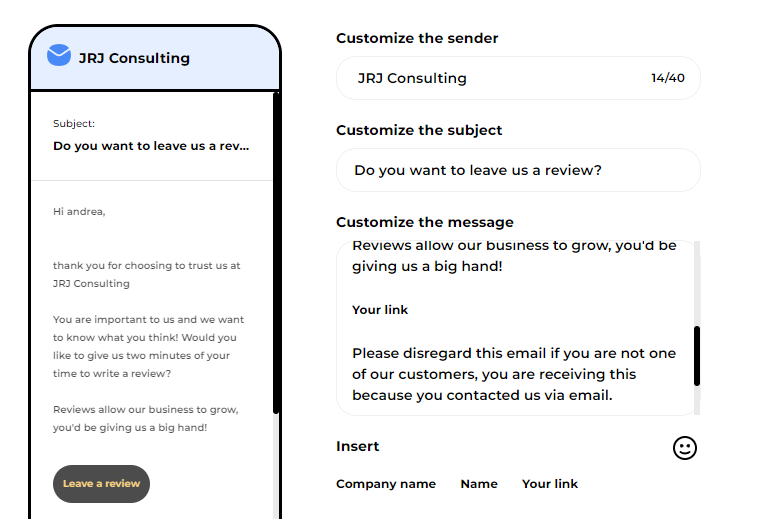
You’ve researched the options, picked the perfect software, and integrated it into your systems. Awesome! Now let’s look at best practices to optimize your setup and really get the most juice from your investment.
Plan Your Review Generation Strategy
Have a game plan in place for continuously generating reviews. Elements to consider:
- Review triggers – What cues will trigger a review request? Ideas:
- Post-purchase/post-visit
- User anniversaries
- Renewals/repeats
- Churn risk signals
- Product launches or updates
- Review channels – Which methods will you use to collect reviews?
- SMS/Text
- In-location signage
- Social media
- Website
- Review targets – Set goals for monthly/quarterly review volume.
- Review formatting – Provide guidelines on length, content, etc.
- Responsible staff – Who will monitor and respond to reviews?
Map out a schedule of rolling review campaigns to keep momentum going. Be sure to factor in any seasonality too – retail may get more reviews around holidays.
Optimize Workflows
Set up workflows in your review software to match your strategy. Key elements:
- Review templates – Create templates for review invites, reminders, alerts. Personalize with merge tags.
- Conditional logic – Build conditional follow-up paths based on responses.
- Response management – Define rules and responsibilities for responding to reviews.
- Moderation – Establish moderation criteria before publishing reviews.
- Integrations – Connect your software with other tools like CRM, marketing automation.
Refine these workflows over time as you analyze performance from reporting.
Showcase Your Reviews
Now put that social proof to work!
- Publish onsite – Display reviews on your website with a gallery, widget or badges.
- Amplify on social – Reshare great reviews on your social media channels.
- Utilize in ads – Feature snippets of reviews in your PPC or social ads.
- Link in email – Add review links to email signatures and newsletters.
- Print on collateral – Show ratings on brochures, signage, receipts.
- Spotlight influencers – Call out your most frequent positive reviewers.
The more places you showcase reviews, the greater the impact.
Monitor Performance
Take advantage of your platform’s review analytics and reporting to identify optimizations.
- Track review sites – Monitor volume and sentiment changes per site.
- Check campaign success – Analyze performance of each review campaign.
- Confirm integrals working – Verify your connected tools are syncing reviews.
- Review responses – Check that you’re responding to reviews in a timely manner.
- Watch conversion impact – See how reviews affect website visits or sales.
Make ongoing tweaks based on these data insights.
Master Review Replies
Draft templates to efficiently respond to reviews. Some best practices:
- Thank all reviewers for taking the time.
- For negative reviews, apologize and offer to make it right.
- If appropriate, publicly explain how you’ll resolve an issue raised.
- For positive reviews, highlight specific details praised rather than a generic thanks.
- Customize responses using the customer’s name and review details.
- Maintain your brand voice throughout. Be authentic!
- Set expectations for review site timeframes you’ll reply within.
Responding quickly and appropriately strengthens customer relationships.
Keep Improving
The work doesn’t stop once your platform is implemented. Ongoing improvements ensure you don’t leave any review-generated growth on the table.
- Review historical performance – Run quarterly reports to identify optimization areas.
- Stay on top of features – Monitor software provider release notes for new capabilities to leverage.
- Solicit customer feedback – Survey users for suggestions on improvements.
- Listen to your team – Check in with staff using the platform for pain points.
- Learn from competitors – Regularly review competitor review practices for inspiration.
With constant incremental improvements, your review generation strategy will only get stronger over time!
Managing and Responding to Reviews
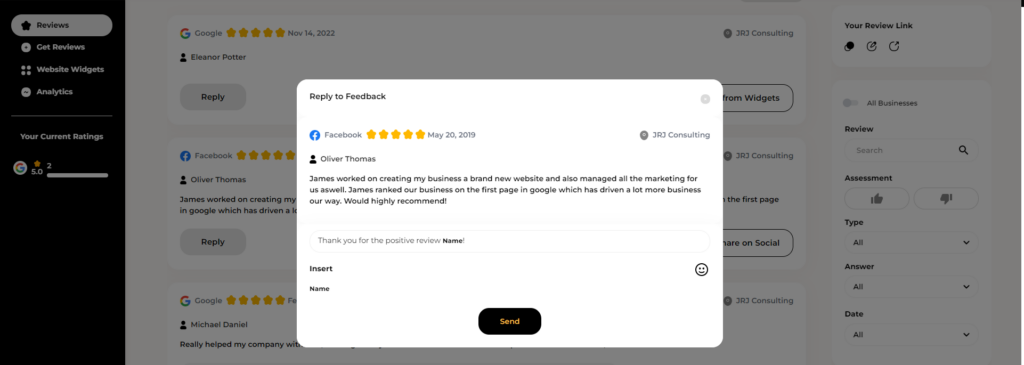
Your software is firing on all cylinders collecting reviews. But how do you keep everything organized and efficiently address feedback? Here are some tips for managing reviews like a pro:
Review Workflows
Set up structured workflows in your platform to handle reviews smoothly:
- Triage reviews – Designate who will monitor incoming reviews and sort them for handling.
- Assign responses – Assign positive vs. negative reviews to appropriate staff for follow-up.
- Tag reviews – Use tags to categorize reviews (compliment, complaint, etc.) for quick filtering.
- Prioritize reviews – Use predefined criteria to identify reviews needing urgent response.
- Define service levels – Set SLA policies for responding within certain timeframes.
- Confirm resolutions – Follow up on negative reviews to verify issues were resolved.
Well-defined workflows will keep all reviews moving through your pipeline efficiently.
Moderating Reviews
Before publishing reviews, use moderation to ensure quality:
- Check relevance – Exclude irrelevant rants or spam that don’t pertain to your offerings.
- Filter language – Detect and block offensive language using automation tools.
- Verify facts – If a review contains incorrect claims, reach out for clarification before approving.
- Prevent conflicts – Omit reviews referencing politics, religion or other sensitive topics.
- Spot sign manipulation – Watch for Users submitting multiple similar positive reviews.
Moderation preserves the integrity and value of your published review showcase.
Respond to Negative Reviews
No one wants them, but negative reviews happen. Respond constructively:
- Empathize – Thank the customer for the feedback and say you understand their frustration.
- Apologize – Take ownership and apologize for any failure in meeting expectations.
- Solve privately – Offer to take the conversation offline to resolve the issue directly.
- Explain improvements – If appropriate, demonstrate how you’ve fixed problems raised.
- Request edits – If the review contains factual errors, politely ask for revisions.
Addressing each negative review individually preserves relationships.
Leverage Positive Reviews
Promoting your raving fans provides social proof:
- Showcase best reviews – Obtain consent to reuse top reviews in marketing materials.
- Call out influencers – With permission, highlight reviews from recognized figures.
- Create testimonial ads – Turn positive reviews into social ads to showcase your brand.
- Email subscribers – Include curated reviews in newsletters to build trust with leads.
- Boost SEO with schema – Add review schema markup to increase click-throughs.
Positive reviews establish credibility and give prospects warm fuzzy feelings about your business!
Automate Repeat Tasks
Reduce manual efforts with automation:
- Automated alerts – Get real-time notifications when reviews come in matching criteria.
- Canned responses – Use templates to efficiently address common questions or issues.
- Scheduled reports – Email scheduled analysis of review data and metrics to managers.
- Tags and rules– Automatically apply tags and routing rules to reviews for quicker processing.
- Review invites – Trigger automatic review request emails to customers meeting criteria.
Work smarter not harder! Let technology handle repetitive review tasks.
Maintain Quality Control
Use these tactics to ensure high review quality over the long-term:
- Update guidelines – As your business evolves, refresh your internal review processes and policies.
- Evaluate templates – Review collected templates annually to keep questions and messages effective.
- Monitor compliance – Audit that staff are adhering to SLAs and workflows for managing reviews.
- Validate integrations – Routinely check that your connected systems are still syncing.
- Solicit staff feedback – Ask team members for suggestions to improve review workflows.
- Provide coaching – Train new hires on your optimized review methods and protocols.
A little ongoing oversight keeps your machine running smoothly.
Managing reviews effectively takes work. But the payoff of customer trust and loyalty is worth it!
The Future of Review Generation Software
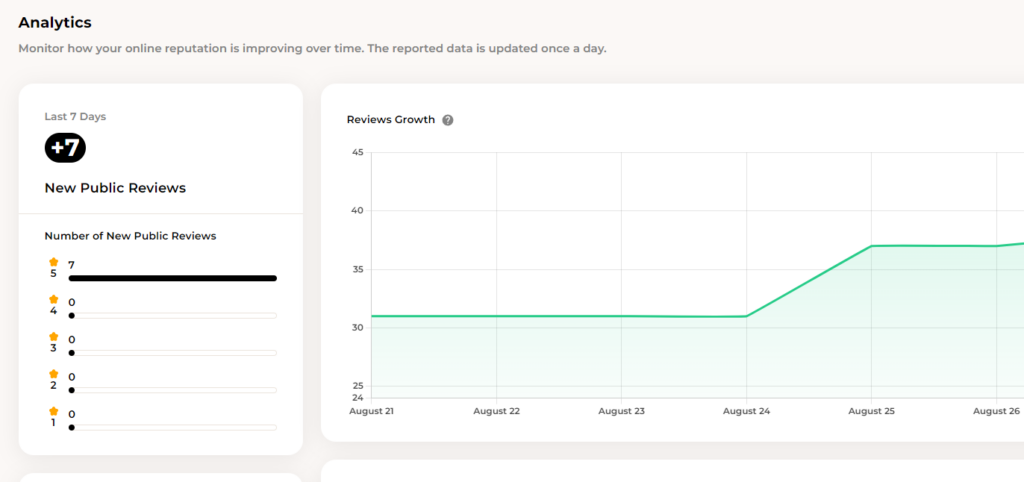
We’ve explored the current review software landscape. But what does the future look like for this technology? Here are some emerging trends to keep on your radar:
Integration Expansion
As more systems become cloud-based, expect deeper integrations between review platforms and other stacks:
- CRM/support – Reviews automatically linked to customer records. Sales teams have review history at their fingertips.
- Marketing automation – Reviews trigger customized nurture campaigns based on sentiment.
- POS – In-store purchases instantly cue a review request for the staff member who helped you.
- Business intelligence – Reviews data flows into centralized analytics stacks like Google Data Studio.
- Voice of Customer – Reviews feed comprehensive customer sentiment analysis systems.
Integration will foster more holistic review-driven experiences.
Increasing Personalization
Look for more personalized review requests and responses:
- Tailored invites – “Sarah, how was your dog walking appointment with John today?”
- Video reviews – Customers share feedback via self-shot smartphone video clips.
- Two-way messaging – Conversational interfaces allowing back and forth review interactions.
- Smart responses – AI identifies reviewers and provides tailored engagement based on history.
- User profile leverage – Reviews requests aligned to demographic or behavioral data.
Personalized reviews drive deeper connections.
The Rise of Review Sites
New player-agnostic review platforms emerge:
- Industry-specific – Sites catering to narrow niches like plumbing or veterinary.
- Local focus – Hyperlocal sites reviewing businesses in specific cities.
- Category killers – Sites dominating categories like “best mattress reviews”.
- Independent platforms – User-driven sites not affiliated with providers.
- Short-form video – TikTok-like rapid video reviews gain adoption.
More sites increase opportunities for brands to showcase reviews.
Stricter Moderation
Look for tighter control over review legitimacy:
- Verified purchases – Reviews limited to confirmed paying customers.
- Scoring consistency – Standards reduce inflated 5-star ratings from loyal fans.
- Details required – Reviews must include text commentary, not just 1-click ratings.
- Identity validation – Blocking obviously fake accounts with minimal public history.
- Editorial oversight – Increased human moderation of review content quality.
Moderation sustains the value of reviews as social proof.
Operationalization
Businesses will increasingly bake reviews into core operations:
- Reviews in planning – Product roadmaps prioritize enhancing highly rated features.
- Staff incentives – Bonuses for employees consistently receiving positive reviews.
- Reviews in hiring – Candidates asked to submit reviews from past colleagues.
- Reviews in budgeting – Forecasting of ad spend optimized based on review trends.
- Reviews in culture – Adding review goals into internal company values.
Reviews become ingrained in workflows across the business.
The future looks bright to maximize the impact of customer experiences through reviews!
FAQs
Let’s wrap up with answers to some frequently asked questions about review generation software:
What are the main capabilities of review generation software?
The core capabilities include:
- Review collection – Tools to gather reviews from various sources
- Sentiment analysis – AI to analyze feedback sentiment and topics
- Review management – Moderating, responding and publishing reviews
- Review analytics – Metrics and reporting on review data
- Review sharing – Social publishing and widgets to showcase reviews
How can small businesses afford review management software?
There are many affordable options for small businesses:
- Basic review collection starts as low as $29/month
- Many offer free plans with core features
- Invest for the ROI – positive reviews bring in revenue
- Compare special offers for new users
- Negotiate custom rates as an early customer
- Alternate free tools like Google My Business
The investment pays dividends in increased visibility and conversions.
What risks should businesses consider with review software?
Some potential risks include:
- Inaccurate sentiment analysis misrepresenting feedback
- Integrating with other tools creates dependencies
- Over-reliance on automation versus human oversight
- Fraudulent reviews if moderation lacking
- Negative reviews if collection and response not handled appropriately
- Hidden costs to customize and optimize the platform
Proper setup and monitoring can help mitigate these risks.
How can a business choose the right review platform?
Tips for selecting the right software:
- Outline your business goals and requirements
- Research software with features to meet your needs
- Compare solutions against must-have capabilities
- Look for integrations with other existing tools
- Consider scalability as your operations grow
- Evaluate cost and ROI tradeoffs carefully
- Sign up for free trials to test solutions
- Read user reviews and check vendor reputation
Take time to thoroughly evaluate before committing.
How can marketers use review data to enhance campaigns?
Creative marketers can use reviews for:
- Quotes and stories for ads and landing pages
- Identify your happiest customer segments to target
- Build personas based on reviewer demographics
- Inform email and social content strategy
- Create video testimonials for YouTube and websites
- Optimize site for keywords in positive reviews
- Personalize ads with reviewer names and details
- Develop new products or features customers request
Reviews provide a data goldmine for better marketing!
Let us know if you have any other questions!
Final Thoughts
We’ve covered a ton of ground exploring the world of review generation software. Let’s recap the key takeaways:
- Reviews are a must – Online reviews make or break purchase decisions. Review generation software helps you take control of your reputation.
- Plenty of options – From free tools to enterprise suites, there are solutions fit for any business size or budget.
- Look beyond collection – The right platform streamlines collecting reviews, analyzing feedback, and broadcasting your best testimonials.
- Integration is key – Review processes will be smoother and more robust if your software connects with your other systems.
- Optimize for best results – Well-configured workflows, creative showcase tactics, and monitoring for improvement will maximize your ROI.
- Respond thoughtfully – Handling all reviews, especially negative ones, promptly and appropriately strengthens customer relationships.
- Evolve your approach – Review software and practices will continue advancing. Stay current to keep reaping the benefits.
The role of reviews in customer experience will only grow. Now is the time to start leveraging review software if you aren’t already.
Hopefully this guide provided a comprehensive introduction to choosing the right platform for your unique business needs.
The world of reviews moves fast. But the strategies we covered will help you build an adaptable approach to meet future changes head on.
With a thoughtful plan and the right technology partner, you can turn customer feedback into five-star marketing that drives real business growth.
Wishing you much success as you embark on your review generation journey! Please reach out if we can be a helpful guide along the way.